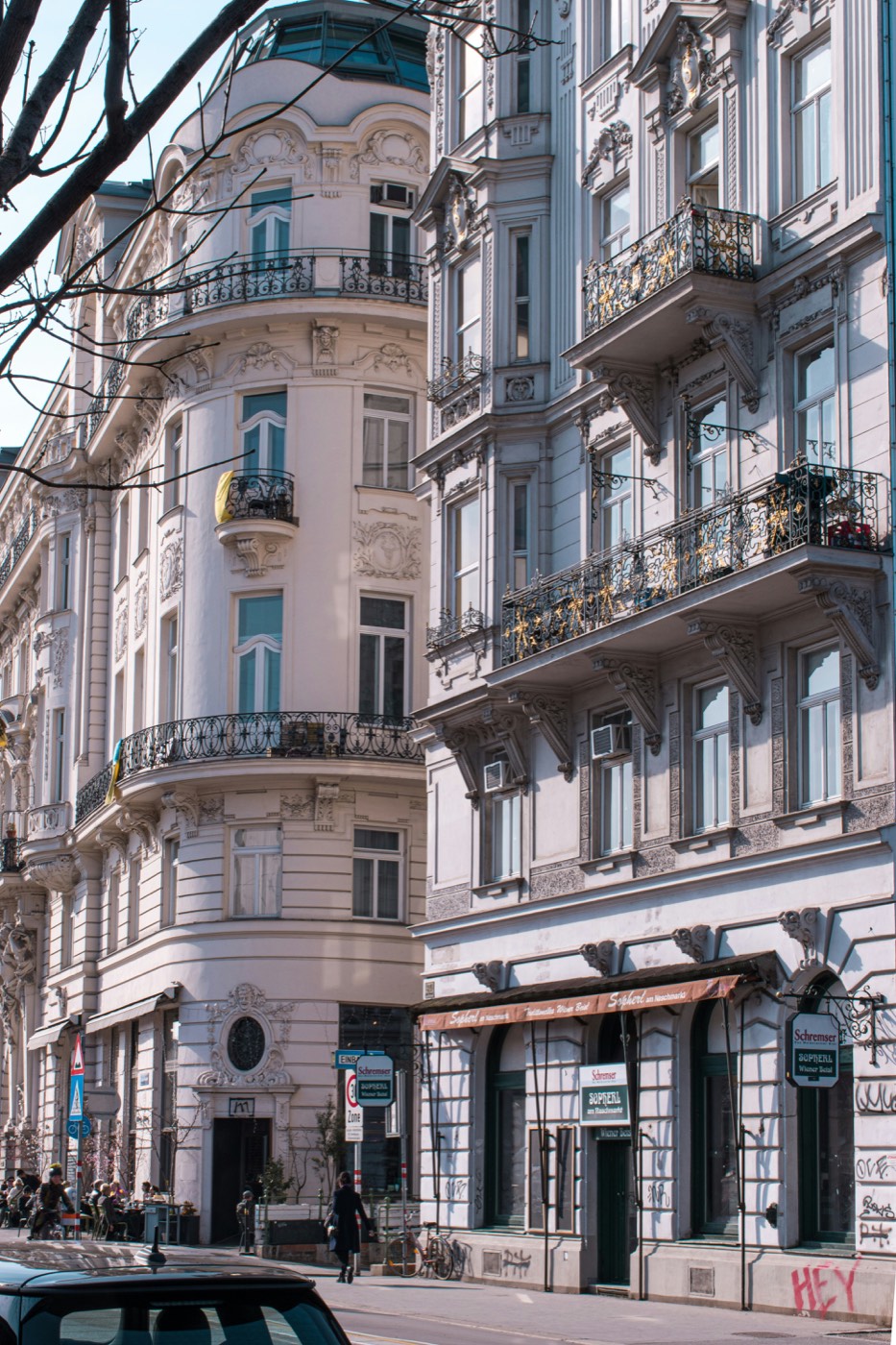
A strongly segmented housing market
Vienna combines municipal, subsidised or limited-profit, and private segments. The City of Vienna (Stadt Wien) cites around 220,000 municipal apartments (Gemeindewohnungen) and around 200,000 subsidised rental and cooperative apartments; according to the city, more than 60% of Vienna's population lives in a subsidised or municipal apartment. That is a statement about residents, not the same as a share of the total housing stock.
Housing preferences after the pandemic
Braesemann and co-authors examined around 120,000 Viennese rental listings from 2018 to 2021/22. The study reports changes that are far from uniform: many outer districts saw stronger rent increases than inner districts during the study period, and premiums for certain housing features shifted as well. This does not permit automatic extrapolation to 2026.
Financialisation and countervailing forces
Jäger and Springler discuss the institutional mechanisms with which Vienna counters the financialisation of housing. The working paper is a political-economy analysis, not a price index and not a yield forecast.
FH des BFI Wien: Working Paper 129/2025 →
Gentrification and segmentation
Banabak's dissertation combines small-scale socioeconomic data, rental listings and relocation data. It finds evidence that the qualitative transformation of private rental supply influences rents in several neighbourhoods and is shifting spatially outwards. At the same time, it reports spatially varied price-dampening effects of social housing segments and only limited evidence of systematic spatial displacement of low-income households.
TU Wien reposiTUm: dissertation →
Current prices and outlook
The district price ranges, yield bands and growth forecasts named in the original sample template are not reproduced here as current facts: consistent definitions, a data date and robust primary sources are lacking. Instead, Wohni is meant to show official transaction indices, clearly labelled asking-price data and freely adjustable scenario assumptions separately.
Purchase costs and tenancy law
Official Austrian government information cites, as a rule, 3.5% real estate transfer tax (Grunderwerbsteuer), 1.1% for the land register entry and, where a mortgage is registered, 1.2% of the lien; broker fees as well as lawyer or notary costs depend on the case. Exemptions and time-limited reliefs may apply.
Whether an apartment falls under the MRG (Austrian Tenancy Act) and a rent cap cannot be reliably derived from a “built before 1953” year alone. Property, subsidy history, form of ownership, contract and exemptions must be reviewed legally.
Calculate with your own assumptions
Rent-or-buy calculator Calculate ancillary costs